October 17, 2026
Gutter Guard Installation in Lady Lake FL: Comparing Mesh, Micro-Mesh, Foam, and Screen Options
By @roofedgejournal555
If you live in Lady Lake, you already know that rain is not a rare event you plan for once or twice a year. Across Central and North Florida, the warm season brings regular thunderstorms, heavy downpours, high humidity, and stretches of wet weather that can test every part of a home’s drainage system. Gutters do not get much attention when they are working well, but the minute water starts spilling over an edge, backing up near the roofline, or dumping beside the foundation, they suddenly become urgent.
That is why gutter guard installation Central Florida homeowners ask about is rarely just about convenience. It is about managing real weather and real debris. In this part of the state, live oak leaves and acorns can pile up fast. Pine needles, leaves, and small limbs are common too. Add a summer storm pattern that can drop a lot of rain in a short period, and you have the perfect recipe for clogged gutters and overflowing downspouts.
The question is not whether guards can help. The better question is which style makes sense for your home, your tree cover, and your expectations for maintenance. Mesh, micro-mesh, foam, and screen options all have a place, but they do not perform the same way, and they do not ask the same things from a homeowner.
Why Lady Lake homes need a more careful gutter conversation
A lot of gutter advice floating around online sounds interchangeable, as if every region deals with the same kind of rain and the same kind of yard debris. Lady Lake is not that simple. This area sits in a broader Florida pattern where warm-season rainfall is common and heavy rain from thunderstorms and tropical moisture is part of life. A gutter setup that limps along in a milder climate can get exposed quickly here.
I have seen homeowners focus only on the visible part of the problem, usually the leaves in the trough. But in Florida, the hidden issue is often flow rate. A guard can keep out large debris and still fail if it slows water too much during a hard summer rain. That is where installation quality matters just as much as product choice. A guard has to help the gutter stay clear, but it also has to let water enter efficiently when the sky opens up.
That is also why gutter guards are not a substitute for good gutter design. If the gutter pitch is off, if downspouts are undersized for the roof area, or if sections are already separating, a guard alone will not fix the system. Homeowners looking into gutter guards Gainesville FL or gutters The Villages FL companies offer should think of guards as one part of a complete drainage plan, not a magic lid that solves every issue.
Start with the gutter itself, not the accessory
Before comparing guard styles, it helps to back up and look at the foundation of the system. The cleanest, most effective guard in the world cannot compensate for gutters that were badly fitted in the first place. That is one reason seamless gutter installation Leesburg FL homeowners consider often comes up in the same conversation as guards. A well-fitted seamless system reduces leak points and gives the guard a better platform to work from.
The same principle applies whether you are shopping for seamless gutters Gainesville FL installers provide or planning a full gutter installation North Florida homes need after years of patchwork repairs. If a contractor skips the inspection step and jumps straight to the guard brochure, that is a red flag. The right sequence is simple. First assess the gutter system, then repair or replace what is necessary, then choose the guard that matches the conditions around the home.
In practical terms, that means checking whether the existing gutters are securely fastened, properly sloped, and free from sagging sections. It also means paying attention to the roof edge and surrounding trees. A home under live oaks google.com deals with a different mix of debris than a home near pines. Acorns behave differently than leaves. Pine needles behave differently than small limbs. Good recommendations come from those details.
Mesh gutter guards: the middle-ground option
Standard mesh guards are popular for a reason. They strike a balance between openness and filtration. A mesh guard usually covers the gutter with a perforated or woven surface that lets water pass while blocking larger debris. For many Lady Lake homes, this can be a sensible starting point.
Where mesh does well is in handling average leaf drop without completely choking the water entry point. When installed correctly, it can keep out a good share of oak leaves, small twigs, and larger roof debris. Homes with moderate tree coverage often do well with this style, especially if the homeowner wants to cut down on routine cleaning without expecting a zero-maintenance system.
Where mesh can struggle is with fine debris. Pine needles and smaller particles can still find their way onto or through the openings, depending on the design. In humid Florida conditions, debris that sits on top of the mesh can also stay damp longer, which means it may mat together instead of blowing off. That does not make mesh a bad choice, but it does mean occasional inspection still matters.
I often think of mesh as the practical compromise product. It is not the most aggressive filtering option and not the loosest one either. For many properties, that balance is exactly what works.
Micro-mesh: better filtration, but it has to be matched to Florida rain
Micro-mesh takes the same basic idea and tightens it. The openings are finer, which allows the guard to block smaller debris than standard mesh. If pine needles are part of your life, or if you regularly deal with small bits of tree litter, micro-mesh deserves a serious look.
This is often the option people gravitate toward when they are tired of repeated gutter cleaning Leesburg FL properties need after storms and seasonal debris drops. The appeal is obvious. If smaller material cannot get through, the gutter trough stays cleaner longer.
But this is where local judgment matters. A finer screen can improve debris blocking while also making water entry more sensitive to installation details and product quality. In a place with frequent hard rain, that trade-off deserves attention. If the guard sits at the wrong angle, if the roof runoff hits it too aggressively, or if surface buildup is ignored, performance can suffer at the exact time you need the gutter most.
That does not mean micro-mesh is a poor choice for Lady Lake. It means the product should be selected and installed by someone who understands Florida rain patterns, not just by someone repeating a national sales pitch. A good gutter contractor Central Florida homeowners trust will usually talk through the tree mix around the home, the roofline, and the intensity of local rainfall before recommending this style.
For houses surrounded by fine debris, micro-mesh can be the most attractive option. For houses where maximum water acceptance during heavy storms is the top concern, standard mesh or another style may be a better fit. The answer depends on the specific property.
Foam inserts: simple idea, mixed long-term appeal
Foam guards sit inside the gutter and allow water to pass through the porous material while keeping larger debris on top. On paper, it sounds straightforward. There is no visible cover spanning the gutter opening, and installation can seem less complicated than some metal guard systems.
The problem is that Florida’s climate makes simple ideas age fast. High humidity, repeated rain, and constant organic debris are not gentle conditions. When leaves, pine needles, or fine debris collect on top of a foam insert, they can stay wet. Once that material starts to compact, water flow can become less predictable.
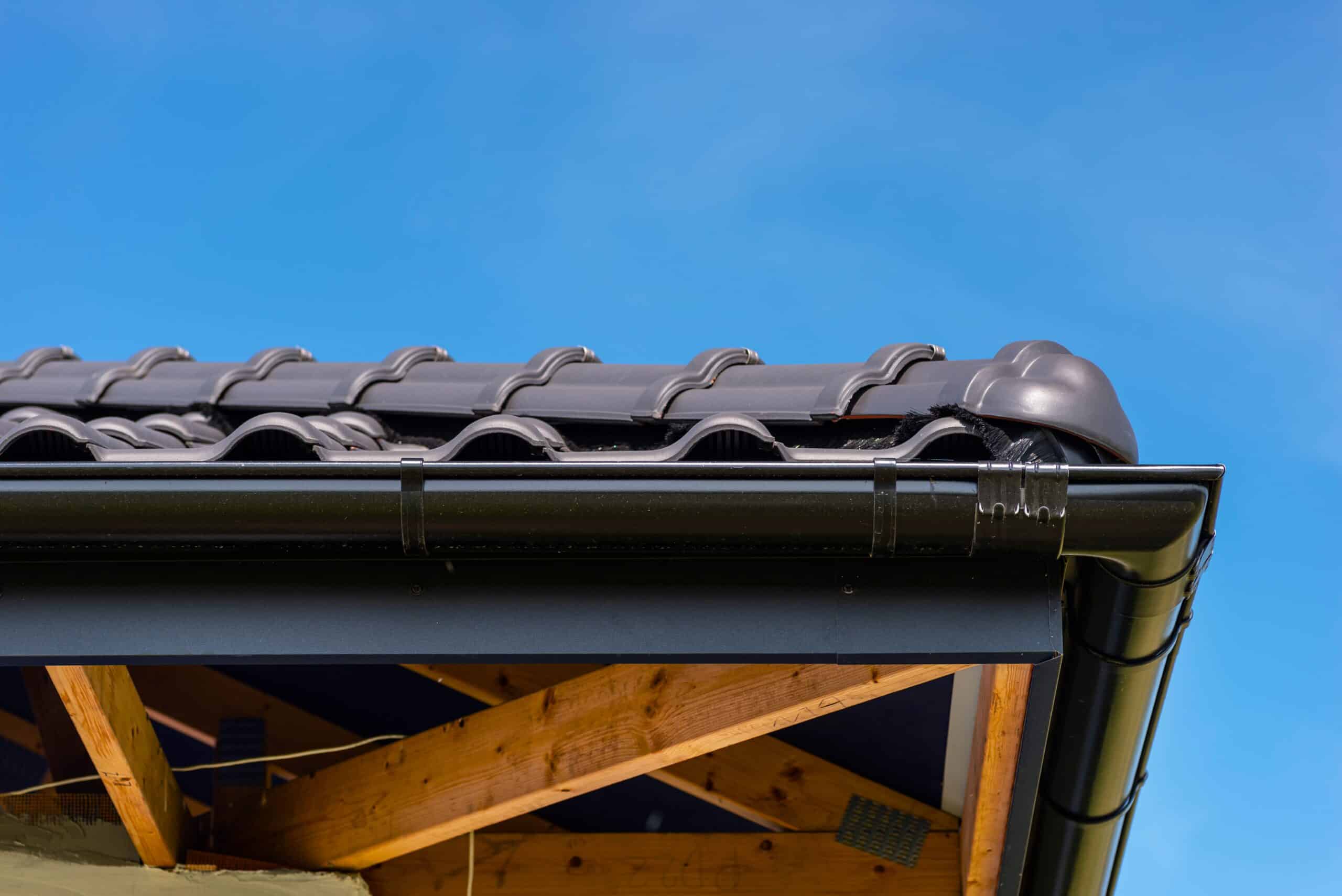
Foam also does not create the same kind of hard exterior barrier that mesh or screen options do. In lighter-debris settings, some homeowners may find it workable, but for homes in Lady Lake with oak leaves, acorns, and regular storm runoff, I would treat foam as the option that needs the most caution. It may reduce some debris entry, but it does not usually inspire the same confidence when the rainy season ramps up.
That is especially true if your goal is to minimize calls for gutter cleaning and repair Ocala FL style services or similar maintenance visits elsewhere in the region. A product that looks easy at installation can turn into a recurring maintenance issue if it traps damp debris on top or within the insert.
Screen guards: open, familiar, and dependent on debris type
Screen guards are often the most recognizable category. They cover the gutter with larger openings than micro-mesh, and sometimes larger than standard mesh as well, depending on the product. Their main job is to stop larger debris from entering while keeping the water path relatively open.
For homes dealing mostly with broad leaves and occasional twigs, screen guards can make sense. They can also be appealing in regions with intense downpours because they generally offer less resistance to incoming water than tighter filtration systems. That matters in a Florida thunderstorm.
The catch is obvious once you think about local debris. If your roofline regularly sheds pine needles or small fragments, a wider screen may not block enough. It may stop the big stuff while allowing smaller buildup inside the gutter over time. That can lull a homeowner into thinking the system is protected when, in reality, debris is still accumulating where they cannot easily see it.
This is one of those cases where broad advice fails. On one property, a screen guard may be perfectly appropriate. On another, just a few lots away under different trees, it may be the wrong fit. That is why a quick visual inspection of the yard and roof perimeter tells you more than a generic product ranking ever will.
The debris around your home should drive the decision
People often shop by category alone, but debris type is usually the better guide.
If your home gets hit with large oak leaves and acorns, you need a system that can keep the big material out without turning the top of the gutter into a collection shelf. If pine needles are the bigger issue, opening size becomes more important, because what looks blocked from the ground may still let fine material sneak through. If small limbs are common after storms, structural stability matters too. The guard has to stay secure and not shift or deform under debris load.
This is where an experienced installer earns their keep. The right conversation is rarely, “What is the best gutter guard?” It is more like, “What falls on this roof, how hard does the water hit during summer storms, and how much maintenance is this homeowner realistically willing to do?”
A homeowner in Lady Lake with light tree cover may be perfectly happy with a standard mesh or screen product and a periodic checkup. A homeowner under heavy tree canopy may benefit from micro-mesh, while still understanding that no guard makes a gutter permanently hands-off. Foam might be acceptable in a low-debris setting, but it is usually the one I would examine most skeptically under Florida conditions.
Good installation matters as much as the guard style
Even a strong product can disappoint if the installation is rushed. Guards need to sit correctly with the roof edge and gutter opening. They need to stay secure through repeated storms. They also need to preserve the intended flow path into the gutter and then through the downspouts.
This is why gutter repair Gainesville FL homeowners schedule often reveals a bigger story. Sometimes the original complaint is “the guard is not working,” but the actual issue is that the gutter was already pulling away, sagging, or draining poorly before the guard went on. In that case, the guard gets blamed for a structural or pitch problem it did not create.
The same thing happens when older sectional gutters are mixed with new guard systems without addressing seam leakage or misalignment. In many cases, a homeowner gets better long-term performance by pairing guard installation with broader gutter maintenance Florida homes need anyway. A solid cleaning, minor repairs, and guard installation together can outperform a guard-only job on a neglected system.
If the gutters are near the end of their serviceable life, replacement may be the smarter move. That is where seamless gutter installation Leesburg FL and seamless gutters Gainesville FL services become part of the conversation. Guards work best when they are added to a system that is already built to drain well.
What homeowners should realistically expect after installation
The biggest misconception about gutter guards is that they eliminate maintenance. What they really do is reduce the amount and frequency of internal gutter buildup. That is valuable, but it is not the same thing as never checking the system again.
Debris can still collect on top of many guards. Downspouts can still develop issues. Storms can still blow small limbs onto the roofline. In Florida, where organic debris and heavy rain are both part of normal life, a once-or-twice-a-year visual inspection is still wise even with guards installed.
Here are a few signs the system needs attention:
- Water spills over the front edge during a heavy rain.
- Debris mats are visible on top of the guard surface.
- Downspouts discharge weakly or inconsistently.
- A gutter section appears to sag or pull away from the fascia.
- Overflow shows up at one corner or valley repeatedly.
That kind of inspection does not have to become a major project. It is simply part of owning an exterior drainage system in a rainy climate. Homeowners who accept that tend to be happiest with their investment, because their expectations match the real job these products perform.
Cost is not just about the product, it is about what it prevents
It is tempting to compare guards based only on the upfront price tag, but that misses the broader math. If a better-fit guard reduces the need for frequent gutter cleaning Leesburg FL style service visits, lowers the chance of hidden buildup, and helps the gutter system perform more reliably during wet-season storms, its value is bigger than the invoice line item.
That said, paying more does not always mean getting more. A premium product that is mismatched to the house can still underperform. I would rather see a homeowner choose a well-installed mesh or screen option that suits their tree cover than overspend on a finer system that does not align with their runoff conditions.
This is also why a local gutter contractor Central Florida residents rely on should be willing to discuss trade-offs openly. If every house gets the same recommendation regardless of debris type, roofline, and gutter condition, that is not thoughtful design. That is just selling inventory.
A few smart questions to ask before choosing a system
If you are comparing proposals, ask direct questions and listen for specific answers.
- What debris pattern do you see around this house, broad leaves, pine needles, acorns, or mixed material?
- Does the existing gutter system need repair before guards go on?
- How will this guard handle heavy Florida thunderstorms?
- What maintenance should I still expect after installation?
- If performance problems show up, what part is product-related and what part is installation-related?
Those questions quickly separate a rushed sales conversation from a useful one. They also help you avoid buying based on category labels alone. “Mesh” or “micro-mesh” is only the beginning of the discussion, not the end of it.
What usually makes the most sense in Lady Lake
For many homes in and around Lady Lake, the best answer falls somewhere between total filtration and strong water acceptance. Standard mesh often lands in that sweet spot for moderate tree cover. Micro-mesh can be the better choice where finer debris, especially pine needles, is a constant headache, provided the installation is done with Florida rain in mind. Screen guards remain a practical option for some homes, especially where larger debris is the main problem and flow capacity is a high priority. Foam, while simple, usually deserves the most scrutiny because humid, debris-heavy conditions can expose its weaknesses.
The stronger recommendation is not one universal product. It is a process. Evaluate the existing gutters first. Match the guard to the debris your home actually gets. Think honestly about maintenance habits. Then choose an installer who understands local rain, not just national marketing language.
That approach tends to produce better outcomes whether you are exploring gutter guards Gainesville FL services, replacing aging gutters The Villages FL homes depend on, or combining guard work with gutter cleaning and repair Ocala FL homeowners often need after wet-season wear. In Lady Lake, the right gutter guard is the one that respects Florida weather, your tree canopy, and the simple fact that water needs a clear, reliable path every single time it rains.
Larry's Gutters
Leesburg location
1720 Leesburg Commons Ct, Suite 2
Leesburg, FL 34748
Phone: (352) 460-0450
Gainesville location
1024 S Main St, Bldg B
Gainesville, FL 32601
Phone: (352) 460-0450
Website: https://larrysgutters.com
❧